Research
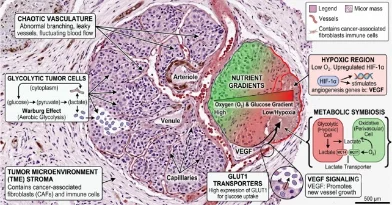
Tumors are not uniform. Oxygen, nutrients and angiocrine cues arrive unevenly — so cells millimetres apart read different signals, run different metabolism, and answer the same drug differently.
Our work runs along one axis: distance from a blood vessel. We sort tumors by that axis, ask what it does to the epigenome, transcriptome and metabolome, rebuild the arrangement in three dimensions, and take the vulnerabilities we find back to the clinic with our surgical and oncology collaborators.
01
Spatial heterogeneity in cancer
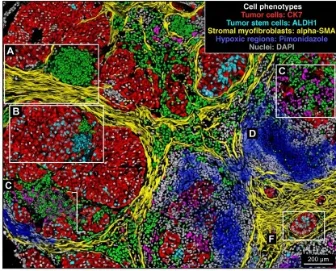
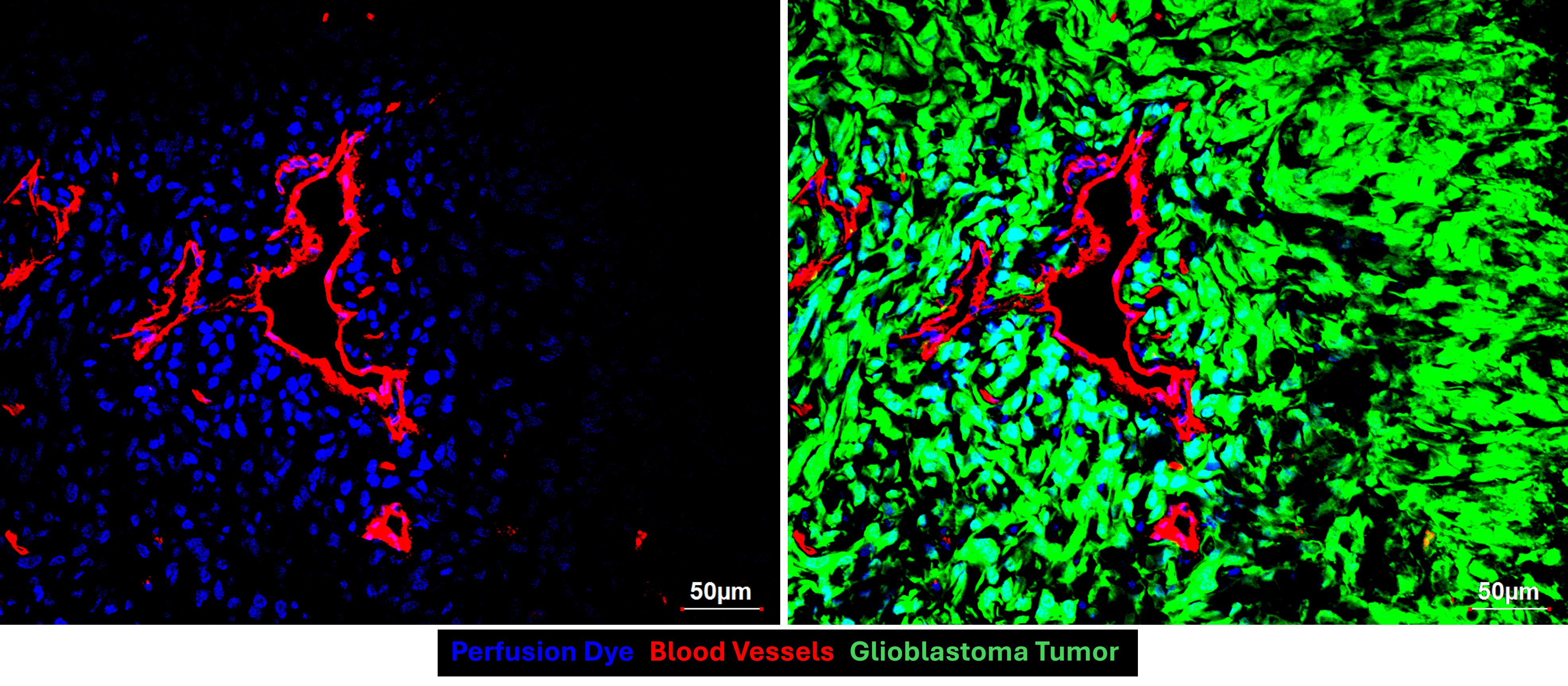
Cancer evolves under selection pressure from the uneven supply of oxygen, nutrients and immunological factors. Proximity to blood vessels is the dominant extrinsic signal — and its influence shifts across space and time, producing one tumor with many therapeutic responses.
We showed that blood-vessel proximity dictates intratumoral metabolic zonation and the phenotypic diversity that follows from it. We are now building a spatial methylome atlas of glioblastoma, mapping how perfusion rewires the epigenome, and asking whether the perivascular niche can be disarmed rather than merely starved.
Parallel programmes run in hepatocellular carcinoma and triple-negative breast cancer, where the same question — which cell survives, and where was it standing — has different answers.
Glioblastoma
Perfusion
Spatial methylome
Cancer stem cells
02
Tumor organoids & assembloids
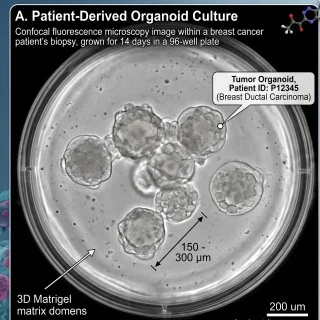
Three-dimensional models that keep the cellular heterogeneity and spatial organisation of a patient's tumor, so we can watch how the arrangement of cell populations changes tumor behaviour and drug response.
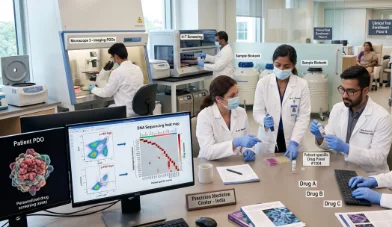
We culture and cryopreserve patient-derived organoids and explants, characterise them cellularly and molecularly, and validate them as drug-testing tools. Newer work adds assembloids and 3D-bioprinted microenvironments, and pairs organoids with allogeneic CAR T-cells to test immunotherapy in a tumor that still has its architecture.
Testing interventions on patient-derived models is our route to treatment strategies that account for heterogeneity rather than averaging it away.
Patient-derived
3D bioprinting
CAR T-cells
TNBC · GBM · HCC
03
Cancer & vascular metabolism
More than 3,000 metabolic genes, thousands of interconnected metabolites, and a flux that current technology still struggles to follow. We ask how that network is rewired when vasculature — and therefore supply — fails.
Endothelial cells have their own metabolic demands: we showed that serine synthesis via PHGDH is essential for haem production in them. On the tumor side, we study metabolic reprogramming and the cross-talk between malignant and stromal compartments.
A newer programme extends this to whole-body physiology — how cancer treatment disturbs the liver–vasculature–muscle interplay in cachexia.
Metabolomics
Endothelial cells
Cachexia
04
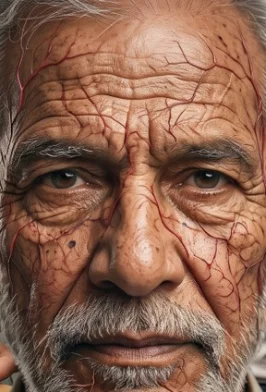
Vascular ageing
Vasculature is a hierarchically high driver of physiological ageing across organs, mediated by VEGF. We were part of the work showing that counteracting age-related VEGF signalling insufficiency promotes healthy ageing and extends lifespan.
Cellular ageing is not uniform across time or space — the same spatial logic we apply to tumors applies to an ageing organ. We ask whether manipulating vasculature can bend the course of ageing toward healthier ageing, and how vascular insufficiency accelerates it.
Related work looks at how VEGF acts beyond vessels — expanding erythropoiesis through non-canonical perivascular stromal cells.
VEGF
Healthy lifespan
Angiocrine signalling
05
DNA secondary structures
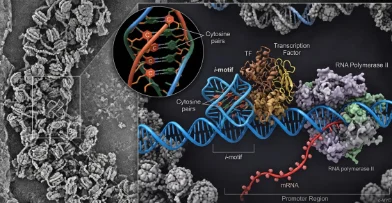
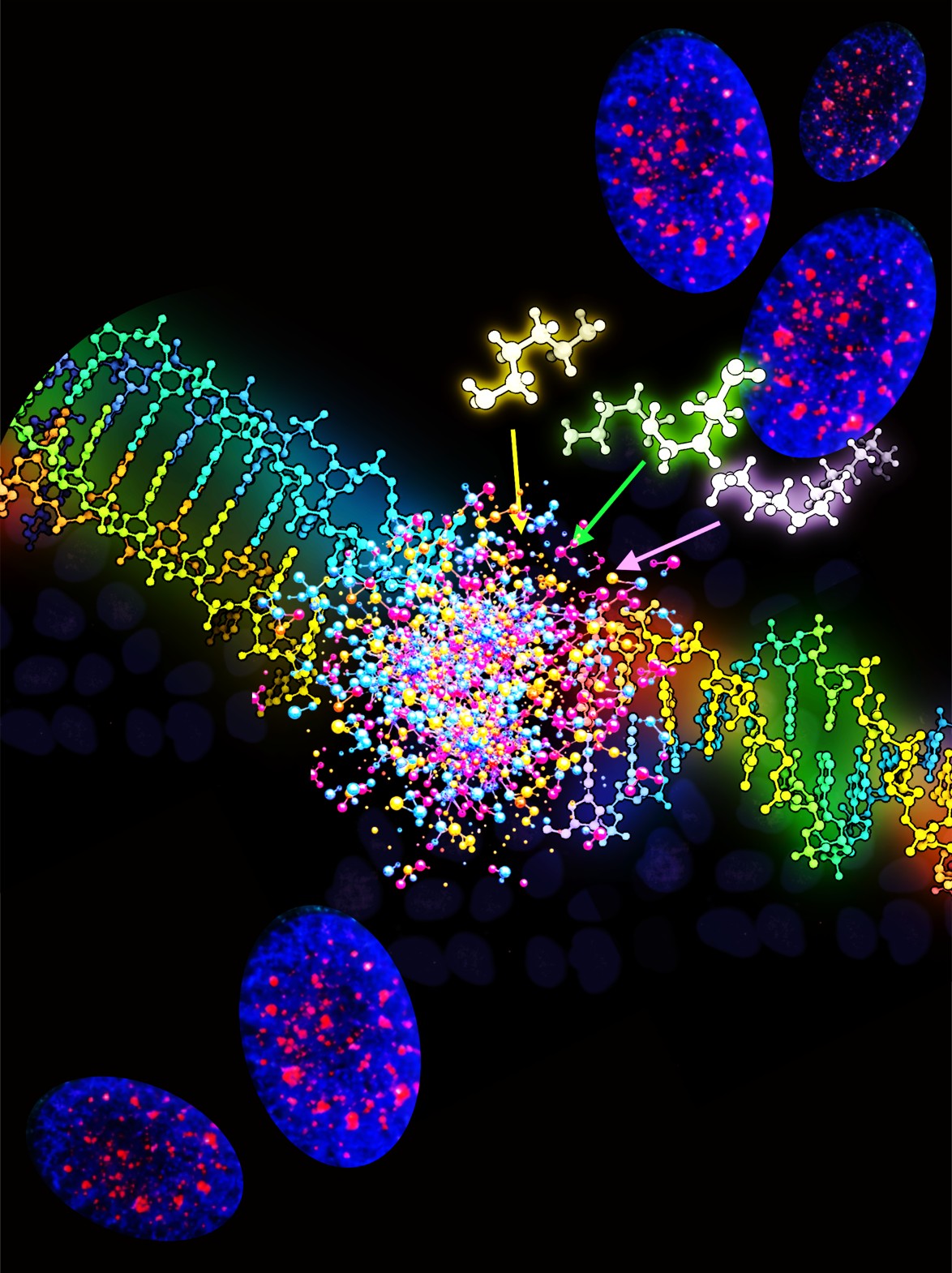
DNA does more than pair. i-motifs and G-quadruplexes are non-canonical four-stranded structures that fold in promoters and act as switches on transcription — and they are sensitive to exactly the conditions a badly perfused tumor creates.
We study i-motifs as regulatory switches in the hypoxia response, identified polyamines as i-motif disruptors, and built QuaDB, a web tool for rapid identifier-based prediction of putative quadruplex sequences. We are asking how important i-motifs are in transcriptional regulation, and whether small molecules can interfere with the formation or disruption of these secondary structures.
It is our most fundamental line of work, and the one most likely to produce a new class of target.
i-Motifs
G-quadruplexes
Hypoxia
06
Translational oncology
Heterogeneity is a clinical problem, so a share of our work sits in hospitals. In triple-negative breast cancer we work with colleagues at AIIMS New Delhi on neoadjuvant therapy.
Our central question there is why some patients clear their tumor and others do not: we compare somatic and germline mutation profiles between patients achieving a pathological complete response and those left with residual disease after neoadjuvant treatment.
In glioblastoma we build tumor organoids from surgical tissue and use them to ask what separates primary from recurrent disease — which cell populations, dependencies and drug responses survive treatment and reappear.
Tissue moves one way; questions move the other.
Somatic & germline
pCR vs residual disease
Primary vs recurrent GBM